A water stain on your ceiling is never just a cosmetic issue. It’s your home warning you of a leak, trapped moisture, or deeper structural problems. Left untreated, ceiling water damage can lead to mould, timber rot, or even a collapse. The Mould Network connects you with trusted experts to inspect, dry, and repair the damage before it gets worse.
Why You Should Never Ignore a Water-Stained Ceiling
Ceiling Water Damage Repair Isn’t Cosmetic — It’s Critical to Prevent Structural Decay
It might start as a faint discolouration — a yellow-brown patch above your bed or kitchen. You may think it’s just leftover from an old leak. But that stain is often just the tip of the iceberg.
Ceiling water stains are a sign of ongoing water ingress or moisture retention. Whether it’s from a leaky roof, burst pipe, or persistent condensation, the danger isn’t just above your head — it’s behind the plaster, in your insulation, and inside your walls. That’s where mould grows, timber rots, and structural elements quietly fail.
The Mould Network makes ceiling water damage repair easy by connecting you with pre-screened experts across Australia. From leak detection to complete ceiling replacement, we help you fix the problem before it costs you much more.
What That Ceiling Stain Means
Roof Leaks, Burst Pipes, or Damp Air — Know the Source Before It Gets Worse
Ceiling water damage isn’t one-size-fits-all. Understanding what’s causing the stain is crucial to stopping it permanently.
Here are the most common culprits:
- Roof Leaks: Damaged tiles, flashing, or guttering let rainwater seep in, especially during storms.
- Burst Pipes or Plumbing Leaks: Especially in two-storey homes or units, plumbing hidden in the ceilings can rupture.
- Overflowing Baths or Showers: If the floor above has a bathroom, a poorly sealed tub or blocked drain may be the cause.
- Condensation Build-Up: Poor ventilation, particularly in bathrooms or kitchens, can lead to ceiling condensation and damp.
- Air Conditioning Leaks: A leaking AC unit or clogged condensate line can silently drip into your ceiling cavity.
A professional technician from The Mould Network’s trusted partner network will identify the exact source, stopping the leak before repairs begin.
The Real Risks Behind Ceiling Water Damage
From Mould Growth to Ceiling Collapse, The Hidden Dangers You Can’t See
Ignoring a ceiling stain doesn’t just lead to an uglier mark — it can lead to significant repairs, health risks, and even safety hazards:
- Mould Growth: Moist, dark ceiling cavities are a breeding ground for mould spores. Once airborne, they affect your respiratory health.
- Sagging or Collapsing Ceilings: Waterlogged plaster or gyprock weakens over time. Without warning, parts of your ceiling can break loose.
- Electrical Hazards: Ceiling cavities often house wiring. Water and electricity do not mix — even a small leak can lead to a short, fire risk, or shock hazard. According to This Old House, water is the second most common cause of home insurance claims, accounting for about 25% of claims from 2018 to 2022, with average payouts around $14,000 per claim — underscoring both safety risk and financial impact.
- Timber Rot and Insulation Damage: Ceiling joists and beams can warp or rot when exposed to water, compromising the integrity of your roof structure.
- Increased Repair Costs: What starts as a minor ceiling patch could require full replastering, insulation replacement, and repainting if left unattended for too long.
Acting early saves thousands. The Mould Network ensures you get experienced tradespeople who diagnose and solve the issue, not just patch it.
How The Mould Network Solves Ceiling Water Damage — Fast
Get Australia-wide, Vetted Experts for Leak Detection, Drying, and Ceiling Repairs
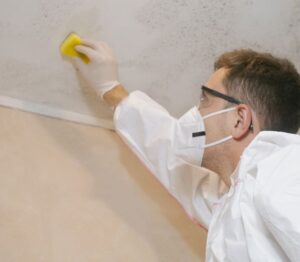
When ceiling water damage appears, time is critical. The longer you wait, the more extensive the damage becomes. That’s why The Mould Network was built — to remove the guesswork and delays from finding the proper help.
Here’s how we help:
- Australia-Wide Coverage: Whether you’re in Sydney, Adelaide, Brisbane or a regional town, we connect you with nearby experts.
- Trusted Professionals: All providers in our network are vetted for experience in water damage restoration, drying, and ceiling repairs.
- Rapid Leak Detection: Our experts utilize thermal imaging, moisture meters, and non-invasive tools to quickly locate the source.
- Structural Drying Services: Industrial air movers and dehumidifiers dry out cavities before mould sets in.
- Complete Ceiling Repairs: From gyprock patching and repainting to full ceiling replacement, we coordinate it all.
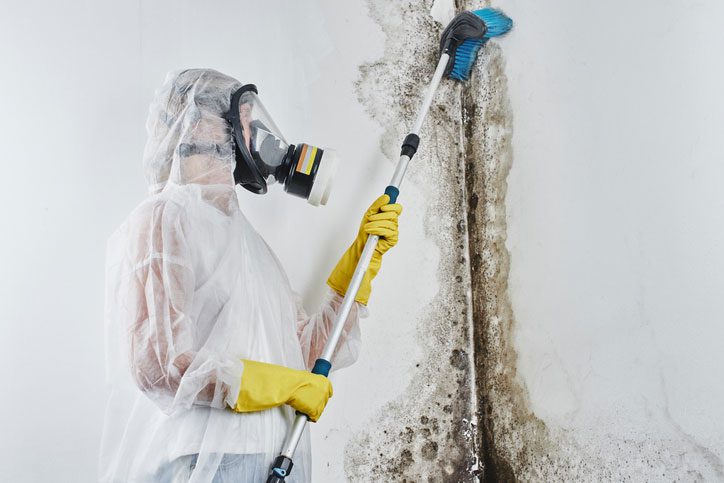
- Mould Remediation (if needed): If mould is found, your assigned technician can isolate, remove, and treat the affected areas.
Water Stains Are a Warning — Don’t Wait Until the Ceiling Falls In
A water-damaged ceiling can feel overwhelming, but it doesn’t need to be. The Mould Network provides you with peace of mind through trusted, qualified repair services that are ready to respond quickly.
Call 1300 522 183 or visit https://mouldnetwork.com.au today to book expert ceiling water damage repair near you.
Common Questions About Ceiling Water Damage
“There’s a brown stain on my ceiling — is it serious?”
Yes. A brown or yellow water stain usually signals a leak or moisture build-up inside the ceiling cavity. It’s not just cosmetic — it could indicate ongoing water damage or mould. Have it inspected immediately to prevent further deterioration.
“Can I just paint over the stain?”
No. Painting over a water stain without resolving the cause only hides the symptom. Moisture will continue to damage the structure and mould can spread behind the ceiling. Repairs must start with proper leak detection and drying.
“Is this covered by insurance?”
Often, yes — if the damage results from a sudden and accidental event like a burst pipe or storm leak. The Mould Network’s professionals can assist with insurance documentation and moisture reports to support your claim.
“How soon should I act after noticing a ceiling stain?”
Immediately. Water damage worsens with time. What starts as a minor patch can lead to mould, ceiling collapse, or electrical risks if ignored. Our experts offer rapid response across Australia to inspect and repair the issue before it escalates.
“Will I need to replace the entire ceiling?”
Not always. If caught early, repairs may be limited to a section. But if water has spread widely or caused structural issues, a full replacement may be recommended. Our vetted tradespeople will advise honestly and provide a clear quote.
Take action today — call The Mould Network on 1300 522 183 or visit https://mouldnetwork.com.au to stop ceiling water damage before it spreads.