
When disasters strike, minutes matter. Water damage escalates rapidly, and mould is not far behind. The Mould Network delivers fast, certified help for emergency water cleanup across Australia. We help save homes, health, and finances.
The Hidden Danger: Water Damage Starts Quiet… Then Gets Loud
It starts with a trickle. Water seeping under the skirting boards, a dark patch on the ceiling, a damp smell in the hallway.
Within hours, a burst pipe, blocked drain or roof leak can saturate your home’s structure. Floors, insulation, plasterboard, and wiring are all affected. According to the U.S. EPA, mould growth can begin within 24 to 48 hours if wet materials are not thoroughly dried. This mould is not just cosmetic. Spores release into the air, triggering health issues and structural decay.
Most Australians don’t realise that waiting “just one day” can cost them thousands in repairs. That’s the shocking truth. Water disasters compound fast, and the longer you delay, the worse it gets.
Why The Mould Network is Australia’s First Call for Water Disaster Cleanup
The Mould Network is not just another cleaning service. We’re a national concierge platform connecting homeowners with trusted, pre-verified water damage experts who act fast and know what they’re doing.
Here’s why more homeowners trust us during a water emergency:
✅ Fast-Tracked Emergency Help
We connect you with local, certified professionals in minutes. Whether it’s 2am in Melbourne or Sunday morning in rural Queensland.
✅ Pre-Vetted, Quality-Checked Technicians
Our network includes experienced contractors who understand Australian standards and insurance protocols. No guesswork, just results.
✅ National Coverage, Local Service
From capital cities to country towns, our reach is broad. But our response is always personalised.
✅ One Point of Contact
No need to coordinate between carpet cleaners, plumbers, and insurance assessors. We manage the chaos so you don’t have to.
What Happens During Emergency Water Cleanup? Step by Step
When The Mould Network sends help, here’s what actually unfolds:
1. Emergency Water Extraction
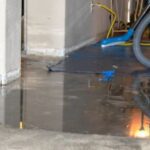
High-powered pumps and wet vacs remove every drop of standing water. Time is critical. Water spreads fast and can double the damage in hours.
2. Leak Identification and Source Stoppage
Technicians find the water source, from a leaking appliance to a burst pipe, and shut it off. Tarping is used for roof leaks, and plumbers are called in as needed.
3. Moisture Mapping and Thermal Imaging
Hidden moisture is the real enemy. Experts use infrared thermal cameras and moisture metres to locate water trapped behind walls, beneath floors, or inside ceiling cavities.
4. Structural Drying and Dehumidification
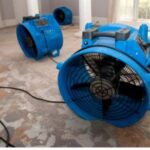
Dehumidifiers and air movers run around the clock to dry your property from the inside out. This stops mould before it starts and prevents long-term structural decay.
5. Material Removal and Disposal
Irreparably soaked materials like plasterboard, insulation or carpet underlay are safely removed and disposed of according to environmental and safety standards.
6. Disinfection and Anti-Microbial Treatment
Once dried, all affected surfaces are cleaned and sanitised with hospital-grade disinfectants to kill bacteria, viruses and prevent mould growth.
7. Post-Drying Verification
Moisture levels are rechecked to ensure the structure is dry and safe. This is logged in a report, critical for insurance documentation and future peace of mind.
Imagine this scenario: “Our Kitchen Flooded Overnight – What Now?”
Put yourself in this young couple’s shoes, Sarah and Tom.
When Sarah and Tom from the Northern Beaches in Sydney woke to ankle-deep water, their dishwasher had been leaking all night. Floorboards were soaked, cabinetry was swelling, and their kids’ bedroom carpet was squelching.
In a panic, they Googled “emergency water cleanup near me” and found The Mould Network.
Within 90 minutes, a local technician was at their door. Water was extracted. Moisture readings taken. Dehumidifiers installed. The cause? A cracked dishwasher hose.
The outcome? Carpets dried. Subfloor treated. No mould. Their insurer accepted the claim using The Mould Network’s digital moisture report.
Why Speed Matters: The Mould Clock Is Always Ticking
Letting water sit too long creates a domino effect of damage:
| Time Since Incident | Common Damage |
| 0–12 hours | Water soaks soft furnishings and flooring |
| 12–24 hours | Subfloor saturation and electrical risk |
| 24–48 hours | Mould begins growing inside walls |
| 72+ hours | Wood rot, plaster collapse, rising odour |
| 1+ week | Major demolition often needed |
Act fast. The difference between a minor fix and major reconstruction can be just a few hours.
Common Causes of Water Disasters in Australian Homes
- Burst pipes under kitchen sinks or in the roof cavity
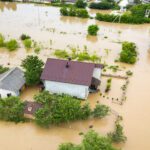
- Heavy rainfall and stormwater intrusion
- Blocked drains backing up into bathrooms
- Sewage overflows from aged plumbing systems
- Leaking appliances like washing machines or hot water systems
- Roof leaks after hail or high winds
Whatever the source, it’s not going away on its own.
Mould: The Silent Health Hazard
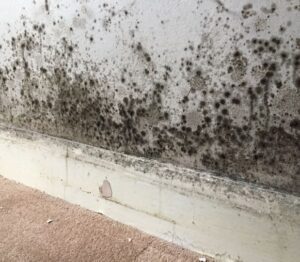
If water damage leads to mould, you’re dealing with more than a stain.
Airborne mould spores cause:
- Asthma flare-ups
- Sinus issues and headaches
- Fatigue and respiratory infections
- Aggravated eczema and skin irritation
Children, the elderly and immunocompromised individuals are especially at risk.
The Mould Network offers comprehensive mould remediation. This includes containment, HEPA air scrubbing, removal, and post-remediation testing.
Insurance and Documentation: We’ve Got You Covered
Water disasters and related damage are among the most common insurance claims in Australia, but it can be stressful to navigate.
Our network partners provide:
- Digital moisture logs
- Photo documentation
- Category classifications (Clean, Grey or Black water)
- Scope of work reports
These documents support faster claims and ensure nothing gets missed.
FAQs: What Homeowners Want to Know
How soon should I call after a leak or flood?
Immediately. Mould begins forming in 24 to 48 hours, and insurance prefers documented early intervention.
Will emergency drying prevent mould?
Yes, if done promptly and professionally. Our drying processes are based on IICRC guidelines and industry best practices.
Do you help with insurance?
Absolutely. We provide detailed documentation to support your claim, and many of our providers can liaise directly with your insurer.
What if water damage happens after hours?
We’re available 24/7, every day of the year, including public holidays.
How long does the drying process take?
Typically 3 to 7 days, depending on the severity and materials affected. Daily monitoring ensures a safe and thorough result.
Final Word: Don’t Wait. Get Help Now.
Whether it’s 3am, a long weekend, or just after work, when water disasters strike, the time to act is now. The longer you delay, the more your home and health are at risk.
Let The Mould Network take the stress out of water disasters. Our emergency response team is ready with qualified technicians, fast dispatch, and the tools to save your home.
Call The Mould Network now on [1300 522 183]
or book online at [https://mouldnetwork.com.au/]
Emergency water cleanup. Anywhere in Australia. Anytime.