Quick DIY tips can help reduce damage to wet carpets, but only professional emergency carpet water extraction truly stops mould. Contact The Mould Network for fast, effective help.
When Your Carpet’s Drenched, Every Minute Counts
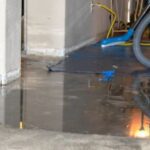
There’s water squelching underfoot. Maybe a washing machine overflowed, a storm came through, or a pipe burst while you were out. Whatever the cause, your carpet’s soaked and panic is setting in.
For tenants and landlords alike, waterlogged carpet isn’t just a hassle. Left untreated, it can warp floorboards, invite mould, and create health risks. That’s why emergency carpet water extraction is one of the most important first steps after a flood or leak.
In this guide, you’ll discover practical hacks that can buy you time, and why professional carpet drying services are the safest way to save your carpet and your sanity.
Why Choose The Mould Network?
The Mould Network connects you with trusted, pre-vetted experts who offer rapid flood carpet repair and extraction services across Australia. This isn’t just about vacuuming up water. Our network uses industrial-grade equipment to dry deep into carpet fibres, underlays, and subfloors.
Whether you’re a tenant facing a surprise disaster or a landlord responsible for property upkeep, The Mould Network streamlines your response with:
- Australia-wide coverage including metro and regional areas
- Fast online booking with job-matching to vetted local providers
- 24/7 emergency response
- Mould prevention included in most carpet drying services
DIY Carpet Water Extraction Hacks That Actually Help
While professional services are the gold standard, these proven hacks can minimise damage while you wait:
1. Start Blotting, Not Scrubbing
Use clean towels or paper towels to soak up as much surface water as possible. Apply pressure by stepping on them. Avoid rubbing, as this pushes water deeper into fibres and can damage the pile.
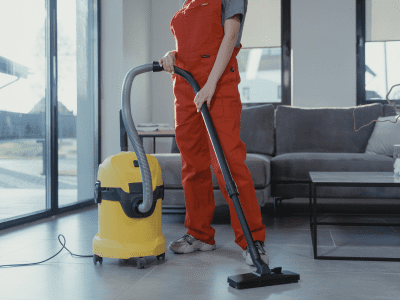
2. Use a Wet/Dry Vacuum
If you have access to a shop vac, use it. These machines are far more effective than regular household vacuums and can remove litres of water from carpet surfaces.
3. Pull Back the Carpet Edges
Lift the corners of the carpet carefully and assess the underlay. If it’s wet, air circulation is key. Prop it up with bricks or cans to allow airflow underneath. Be cautious to avoid tearing the backing.
4. Get the Air Moving
Open windows, turn on fans, and use dehumidifiers. Humid air slows drying and encourages mould. Create cross-ventilation by opening windows on opposite sides of the property.
5. Salt for Small Damp Patches
For minor spills or damp corners, coarse salt can draw moisture out. Sprinkle it over the area, let it sit overnight, then vacuum thoroughly. It’s a temporary fix, not a full solution.
6. Layer with Baking Soda
Baking soda can absorb minor surface moisture and help control odours. Leave it overnight and vacuum the next day. It won’t reach the underlay but can help surface conditions.
7. Avoid Using Household Heaters
Space heaters can cause uneven drying or “bake” moisture into the carpet padding. Stick to airflow and controlled dehumidification.
Carpet Drying Services vs DIY: What’s the Real Risk?
Hidden Moisture is Hidden Mould
Even if the top of your carpet feels dry, moisture may still be lurking in the underlay and subfloor.
Given that up to 50% of Australian homes already face indoor mould issues when moisture persists, the risk in a water-soaked carpet scenario is far from theoretical.
Without proper drying:
- Mould can start growing within 24 to 48 hours
- Odours set in quickly and are difficult to remove
- Timber and laminate subfloors may warp
- Electrical systems beneath floors can be compromised
- Insurance claims may be denied without drying documentation
Real-World Scenario:
A Sydney tenant tried fans and towels for two days after a kitchen leak. By the time a professional arrived, mould had already started and the subfloor was compromised. The repair bill topped $7,000 and wasn’t covered by insurance due to lack of documentation.
Real Results, Real Fast: How Experts Do It
Emergency Carpet Water Extraction Done Right
Professional carpet drying includes:
- Rapid Response: Same-day attendance in most metro areas
- Industrial Extraction: High-capacity vacuums remove water fast
- Moisture Mapping: Identifies hidden damp zones in walls and underlay
- Drying Chambers: Isolate rooms with plastic sheeting to concentrate airflow
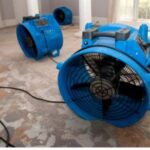
- Air Movers and Dehumidifiers: Circulate dry air and control humidity levels
- Moisture Verification: Technicians confirm all materials are back to safe moisture levels
The equipment typically runs 24 to 72 hours with daily adjustments to optimise drying.
How to Book Flood Carpet Repair in Minutes
With The Mould Network, help is only four steps away:
- Choose your service and suburb
- Upload photos or describe the problem
- Get matched with a vetted local expert
- Receive a call and quote within hours
There’s no need to chase down trades or compare reviews.
What Tenants and Landlords Ask Before Booking
Is emergency carpet drying covered by insurance?
Often yes, but only if drying and moisture documentation are provided. The Mould Network helps ensure all proper records are submitted.
What if the carpet looks dry but still smells?
Persistent odours often mean moisture is trapped in the underlay or subfloor. This can lead to mould and structural damage.
Can I clean the carpet myself after drying?
You can surface-clean light spills. But if the underlay was soaked, professional extraction and sanitation are critical.
Will my carpet always be saved?
Not always. If water is contaminated or drying is delayed, carpet or underlay may need replacing. Speed and proper drying are key to salvaging more.
How long does drying take?
On average, two to four days depending on the water volume and the property structure. Monitoring ensures nothing is left damp.
Can The Mould Network also remove mould?
Yes. If your carpet has been wet for over 48 hours, our providers can inspect and treat for mould, including post-remediation air testing.
Don’t Let Damp Turn Into Disaster
Water-soaked carpet isn’t just a nuisance. It poses health risks, damages property, and leads to expensive replacements if not dealt with quickly and thoroughly.
Act fast, act smart, and protect your space with professional help that goes beyond surface fixes.
Call 1300 522 183 or visit https://mouldnetwork.com.au to book emergency carpet water extraction today.