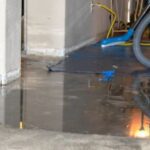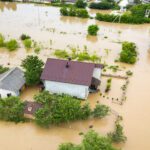
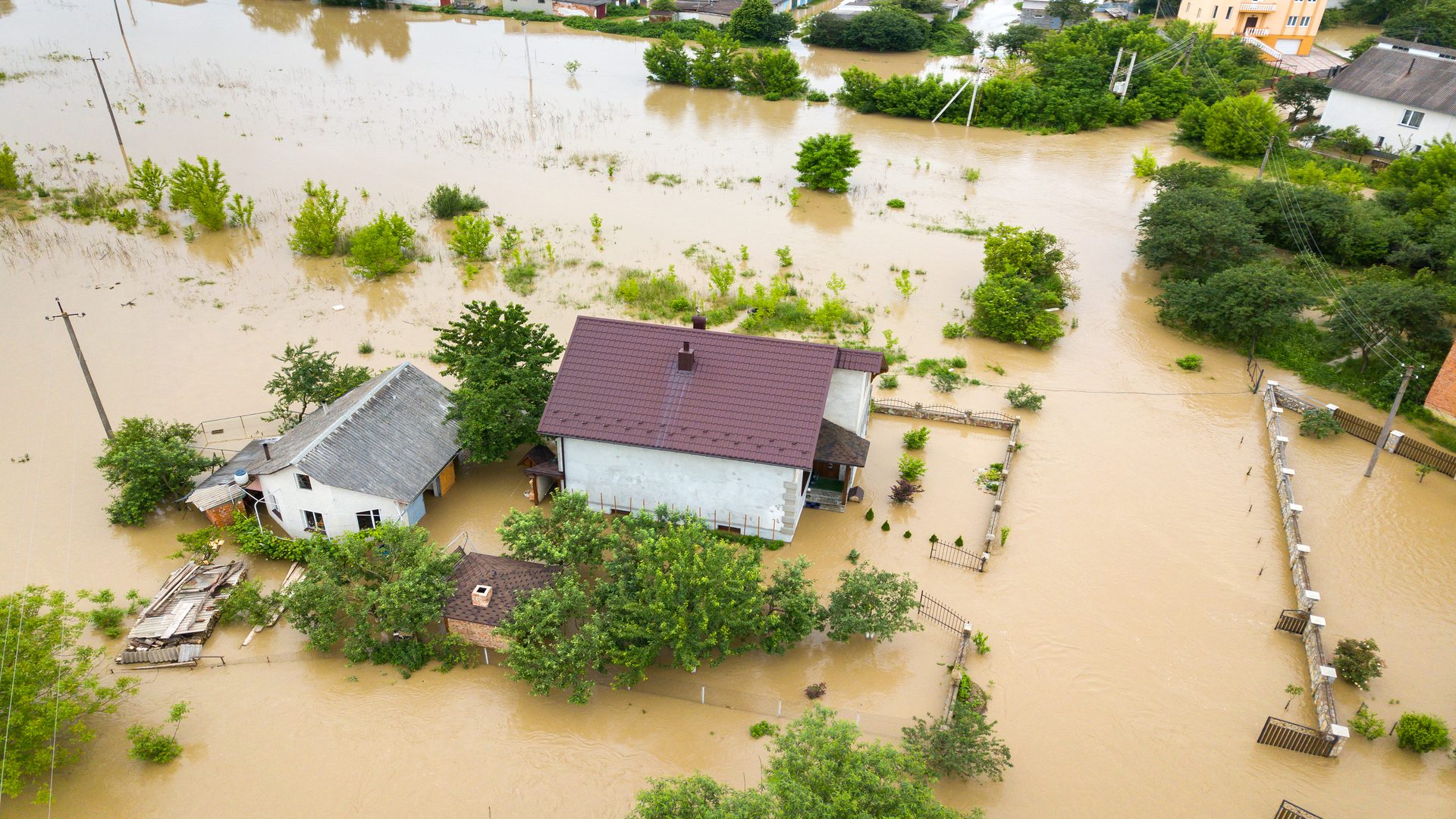
Floodwater can turn your property into a disaster zone in a matter of minutes. Whether it is caused by heavy rain, a burst pipe or an overflowing appliance, the longer water sits in your home or commercial space, the more damage it causes. From weakened structural elements to fast-growing mould, the aftermath of flooding can become a long-term health and financial burden if not addressed swiftly.
This guide outlines five urgent steps to follow the moment you discover flooding inside your property. These actions are based on professional restoration standards and designed to help you minimise damage, keep safe and restore your environment to a healthy, habitable condition.
If you take away one message from this article, let it be this: fast response is everything. Acting within the first hours is the difference between a straightforward recovery and a costly rebuild. That is why the final step in this guide is also the most important one, getting expert help from a verified water removal service like The Mould Network.
Call a Professional Water Removal Service Immediately
The most critical step you can take after discovering water damage is to contact a professional water removal service right away. The initial 24 to 48 hours are the most vital, as mould can start to grow within this timeframe. Even if water appears to be clean, it can seep into floors, walls and furnishings where it quickly becomes a breeding ground for bacteria and mould. According to Queensland Health, floodwater can contain serious contaminants including sewage, chemicals and debris, making immediate professional help essential.
Residential and commercial clients alike benefit from fast intervention. The Mould Network offers access to emergency water removal experts across Australia. These providers use powerful industrial equipment, including extraction pumps and wet vacuums, to remove water quickly and safely. Because they are already pre-screened and verified, you do not waste time comparing service providers or checking credentials. The booking system is designed for speed and simplicity, especially in urgent situations.
Fast action by trained technicians helps prevent structural decay, electrical hazards, and irreversible damage to materials. You will also receive guidance on the next steps in the remediation process, which is essential when emotions are high and property is at risk.
Stop the Water at Its Source, If Safe

Before the professionals arrive, your next priority is to halt the water flow if you can do so safely. In residential situations, this might involve turning off the main water valve or shutting down a faulty appliance. In commercial environments, it may mean engaging the building’s emergency systems or alerting facility management.
However, safety must come first. If water has reached electrical systems or if you suspect the water is contaminated, such as with sewage or floodwater, stay clear. Do not attempt to move through standing water or operate electrical equipment in wet areas.
The Mould Network’s service partners are equipped to handle all water categories, including clean water, grey water and black water. By stopping the source early and allowing experts to take over, you limit the spread and complexity of the cleanup required.
Document the Damage for Insurance
It is important to document all visible damage before any cleanup or removal begins. This ensures you have proper evidence to support your insurance claim and can prove the extent of the flood damage.
Use your phone or camera to take clear, well-lit photos and videos of the affected areas. Capture the water levels, soaked furniture, flooring, wall stains and any items that have been ruined. If possible, include a timestamp or narration to explain what happened.
Make a list of damaged belongings, noting their approximate value and whether they can be salvaged. This information will assist both your insurer and the water removal team in planning the restoration.
The Mould Network’s service providers are familiar with working alongside insurers. They often provide professional reports, moisture readings and detailed logs to support your claim. This ensures a smoother process and helps you receive the full value of your entitlements.
Start Rapid Water Extraction
Once professionals arrive on site, the immediate focus is on rapid water extraction. This is a time-sensitive operation that removes standing water from floors, carpets, and low-lying areas. Leaving water to sit, even for a few hours, can lead to structural instability and secondary water damage.
Specialised equipment such as high-volume pumps, water claws, and wet vacuums are used to remove the water efficiently. In many cases, flooring materials like carpets and underlay will need to be lifted to ensure the subfloor can also be dried. In commercial properties, this process may also involve clearing basement levels or warehouse zones.
Quick extraction also protects against discolouration, corrosion of fixtures and long-term deterioration of internal surfaces. It gives the drying process a solid foundation, ensuring that the following steps are successful.
The Mould Network partners are trained to assess water types, adjust equipment use based on property size and customise their approach based on the materials involved. This means your property gets exactly what it needs, no more and no less, to get back to pre-flood condition.
Complete Structural Drying and Prevent Mould
Even after all visible water has been removed, moisture remains trapped inside walls, subfloors, timber and insulation. This residual dampness can take days or weeks to dry on its own, and during that time, mould can begin to take hold.
This is where professional drying and dehumidification become essential. The Mould Network ensures its service providers follow proven psychrometry principles, which involve controlling temperature, airflow and humidity to force moisture out of materials.
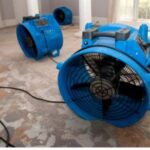
Air movers and industrial dehumidifiers are used strategically throughout the affected areas. Sometimes drying zones are created using plastic barriers to focus equipment on one section of the home at a time. Moisture mapping tools, including thermal imaging cameras, are used to detect hidden damp spots behind walls and under floors.
Daily readings are taken to measure drying progress and identify any areas that need additional attention. Once drying is complete, providers will conduct a final inspection to verify that all materials have returned to acceptable moisture levels.
If required, anti-microbial treatments are applied to prevent mould from forming on previously wet surfaces. This includes walls, skirting boards, HVAC systems and even internal cavities. These treatments provide an additional layer of protection for your health and help maintain indoor air quality.
Why Speed Saves More Than Just Money
Speed matters because flood damage is progressive. The longer it is left untreated, the more it spreads. Wood begins to swell. Gyprock loses its structure. Carpet starts to smell. Moisture seeps into unseen areas like ceiling cavities or beneath floorboards.
Left for just 48 hours, flood-affected materials can become permanently damaged. Worse, you may face health issues related to airborne mould spores, especially in homes with children, elderly residents or those with asthma.
Quick intervention not only limits repair costs but also protects your wellbeing. In some cases, insurance may not cover secondary damage caused by delays, making prompt action even more vital. A professional response from a network like The Mould Network gives you peace of mind that nothing has been missed and that your property is safe to occupy again.
A Solution for Both Homes and Businesses
Floods do not discriminate. A burst pipe can ruin a family living room just as easily as it can shut down a retail space. Whether you are a homeowner, landlord, property manager or business owner, the core response steps remain the same.
The Mould Network offers water removal services across Australia, covering metro, suburban and regional areas. With access to pre-screened experts and a convenient online booking platform, you can connect with help fast, often within hours of your initial request.
Because the service is built around both residential and commercial needs, you can expect tailored solutions. Whether your space has hardwood floors, suspended ceilings, warehouse stock or childcare rooms, your assigned provider will adapt their process to suit the specific environment.
FAQs
1. What should I do immediately after floodwater enters my property?
Contact a professional water removal service immediately, such as The Mould Network. Fast action within the first 24–48 hours helps prevent mould growth, structural damage, and secondary water damage.
2. Can I stop the water myself before professionals arrive?
Yes, but only if it is safe. Turn off the main water supply or faulty appliances, but avoid electrical areas or contaminated water. Safety must come first.
3. Why is documenting flood damage important?
Taking photos and videos of the affected areas before cleanup helps with insurance claims. Documenting water levels, damaged furniture, and flooring provides evidence of the extent of damage.
4. What does professional water removal include?
It includes rapid water extraction, structural drying, dehumidification, moisture mapping, thermal imaging, and anti-microbial treatments to prevent mould. Professionals also provide daily monitoring and final verification.
5. Does The Mould Network help both homes and businesses?
Yes. Their network provides residential and commercial water removal services across Australia, tailored to various property types including homes, offices, warehouses, and childcare facilities.
Final Call to Action
If your property has been flooded, do not wait. Contact The Mould Network today to secure fast, professional water removal service that includes rapid water extraction, full structural drying and mould prevention. With 24/7 response and expert providers across Australia, you can count on The Mould Network to protect your home, business and health.
Visit https://mouldnetwork.com.au/ or call 1300 522 183 to get started now.