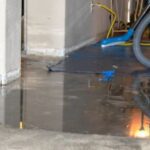
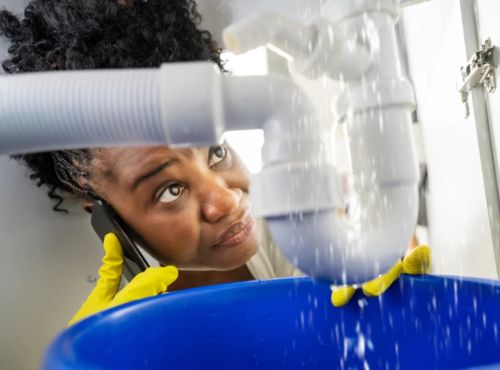
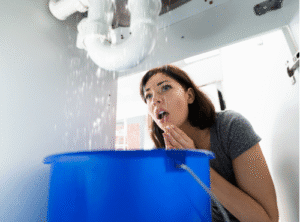
You hear a crash, then a splash. A pipe has burst. Water is cascading through your ceiling or rising from the bathroom floor. Within seconds, your home turns into a crisis zone. What do you do next? Most people underestimate just how devastating water damage can be. Even more, they don’t realise how fast things spiral out of control. That’s why even confident, capable homeowners often freeze in the face of a water emergency.
The truth is simple. Emergency water cleanup isn’t about skill. It’s about speed.
If you don’t act immediately, you’re not just dealing with wet carpet. You’re risking black mould, electrical hazards, structural damage and a nightmare insurance battle.
And here’s the hard part. You can’t fix this with towels and a wet/dry vacuum.
Why Water Emergencies Are Different From Other Home Disasters
You can see a fire. You can smell smoke. You can even prepare for it. But water seeps in silently. It hides in wall cavities, under floors and behind insulation. And the worst part?
It starts causing irreversible damage within an hour.
- Flooring becomes saturated. Hardwood warps. Carpet underlay turns to sponge.
- Insulation traps moisture. This creates perfect conditions for mould.
- Drywall softens and crumbles.
- Electrical systems become compromised.
- Hidden mould colonies begin forming. Often within 24 to 48 hours.
Water doesn’t wait. Unless you’re trained to detect, extract and dry it professionally, you’ll miss something. That something could cost you thousands later or worse, put your family’s health at risk.
Why Most People Fail to Respond Fast Enough
It’s not ignorance. It’s human nature.
When people are stressed, especially in the middle of the night or during a chaotic storm, they hesitate. They search online. They call a friend. They try to clean it themselves for “just tonight.” That delay is all it takes.
Here’s what we’ve seen:
- “I thought I got all the water up.”
Spoiler: You didn’t. Water soaked into the subfloor. Mould showed up a week later. - “I called my plumber.”
Plumbers fix the leak. But they’re not trained in moisture detection or structural drying. - “I used a fan.”
Fans dry surfaces. They don’t dry cavities, insulation, joists or internal wall structures. - “It didn’t look that bad.”
Until your timber frame warped and your insurance claim was denied due to a delayed response.
Homeowners need more than effort. They need expertise, equipment and immediacy.
What Emergency Water Cleanup Actually Requires
Let’s break it down. Real emergency water removal involves a combination of industrial technology, advanced diagnostics and strict safety protocols. Professionals follow a set of actions in sequence.
1. Emergency Water Extraction
Using commercial pumps and wet vacuums, they remove standing water immediately. Even from beneath flooring or inside crawl spaces.
2. Water Damage Assessment
Thermal imaging cameras and moisture meters pinpoint hidden water. This step is crucial. Wet patches behind walls won’t show up until mould does.
3. Contaminated Water Identification
Was the water clean (burst pipe), grey (washing machine) or black (sewage or floodwater)? Each category requires different safety protocols. Black water means full sanitation, hazmat gear and often material removal.
4. Structural Drying
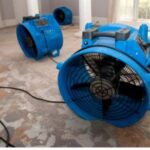
Dehumidifiers and air movers are placed strategically to create airflow that dries internal structures. Joists, frames and subfloors, not just visible surfaces.
5. Drying Zone Setup
Specialists may isolate parts of the house with plastic sheeting to concentrate airflow. This speeds up drying and keeps unaffected areas safe.
6. Daily Moisture Monitoring
Every 24 hours, readings are taken. If a space isn’t drying as expected, adjustments are made.
7. Post-Drying Verification
Only when materials reach their normal moisture levels is the job considered complete. You’ll receive proof. That’s essential when dealing with insurers.
What Happens If You Get It Wrong?
The consequences of poor cleanup aren’t just inconvenient. They’re dangerous.
- Mould exposure causes respiratory illness, allergic reactions and chronic fatigue. It’s particularly harmful for children, the elderly and anyone with asthma. According to the Australian Department of Health, prolonged exposure to dampness and mould is linked with asthma attacks, allergic rhinitis, wheezing, cough and other upper respiratory tract symptoms.
- Structural damage worsens over time. Wet timber rots. Floors sag. Plaster collapses.
- A history of water damage lowers property value. It can derail a pending sale.
- Insurance may not pay if you can’t show immediate, professional intervention.
The Mould Network. Your Emergency Cleanup Connector
The Mould Network is not a contractor. It is a national concierge service that connects homeowners with vetted, certified and available water damage specialists in their area within minutes.
Unlike big-name franchises or unreliable directories, The Mould Network:
- Operates Australia-wide. Including Sydney, Melbourne, Brisbane, Perth, Hobart, Adelaide and Canberra.
- Works only with pre-screened providers who meet strict criteria.
- Offers a four-step online booking system. Fast. Easy. No back-and-forth.
- Gets you help 24 hours a day, seven days a week. Not just Monday to Friday.
Whether it’s 3 am or Christmas Day, The Mould Network’s provider network is built to respond to this kind of situation.
How Fast Is Fast Enough?
If you’re reading this during a flood event, you’re already on the clock. Here’s a timeline to understand what’s at stake.
- 0 to 1 hour: Water infiltrates walls, flooring and soft furnishings.
- 1 to 24 hours: Mould spores begin to activate.
- 24 to 48 hours: Structural saturation begins. Smells develop.
- 48 to 72 hours: Health risks increase. Claims become complicated.
- After 72 hours: Significant material loss and cost increase. Insurance outcomes weaken.
The only way to win the race is to start it early.
FAQs From Real Homeowners
Q: Can’t I just use my home dehumidifier?
No. Household units aren’t powerful enough for structural drying. You need commercial-grade gear and airflow strategy.
Q: What if it’s just a little water?
Water travels fast. Under floorboards. Behind cabinetry. Small puddles can mean big moisture problems you can’t see.
Q: Can I clean black water myself?
No. It contains pathogens and requires hazmat handling. This is not a safe DIY job.
Q: Will the provider talk to my insurer?
Yes. The professionals we refer you to offer documentation, photos and direct billing options in many cases.
Don’t Wait for It to Get Worse. Act Now
When water floods your home, the clock is not your friend. Every delay increases damage. Every hesitation increases cost. Every hour brings you closer to mould, rot and regret.
You don’t need to do this alone.
The Mould Network connects you with certified water damage response teams. Ready 24 hours a day. No call centres. No confusion. Just help. Fast.
Call 1300 522 183 or book your emergency water cleanup now at mouldnetwork.com.au.
Fast. Local. Trusted.