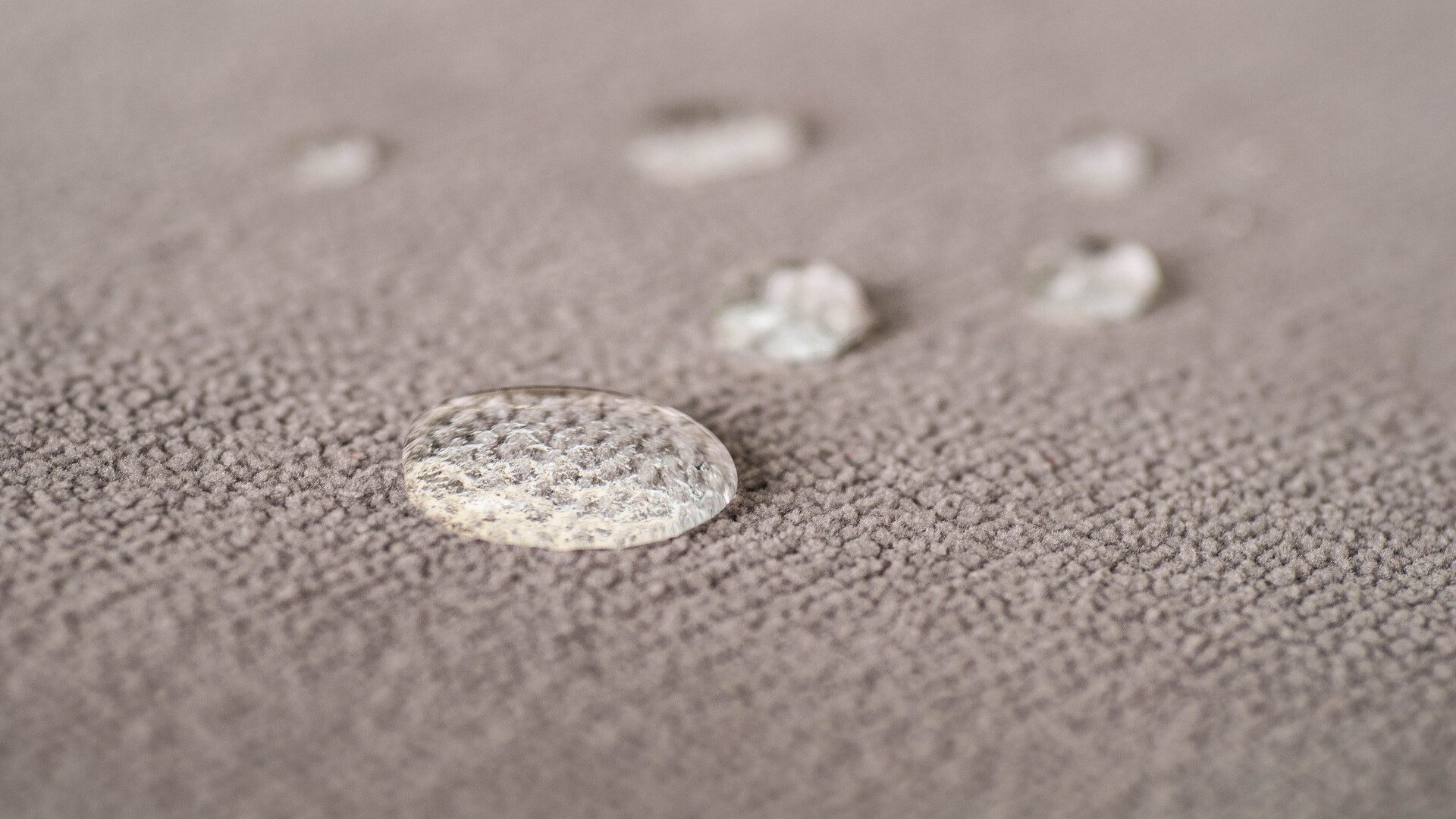
Water-damaged carpet can often be saved if action is taken quickly. Professional carpet drying services not only restore your flooring but also prevent hidden mould growth that can harm your health and home.
If your carpet is soaked, tearing it up may seem like the only option. But that decision could cost you more than you realise. With rapid, professional drying, your carpet might be completely salvageable, saving you thousands in replacement costs.
Why Wet Carpet Needs Immediate Attention
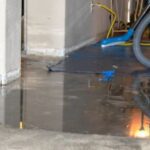
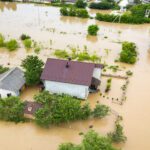
A soaked carpet is more than just an inconvenience. It can be the start of a serious property problem, especially if left untreated. Across Australia, common culprits include burst pipes, storm-related flooding, leaking appliances and roof damage. Each of these can saturate carpets and padding within minutes.
The most urgent concern is mould. According to the Victorian Department of Health, homes should be dried within 48 hours after flooding to prevent mould growth. Once it sets in beneath your carpet, it can be difficult and expensive to remove. That musty smell you may notice is a warning sign. Mould spores could already be multiplying in your underlay or subfloor, posing risks to your family’s health.
In addition to health hazards, untreated wet carpet can damage timber floors, compromise insulation, and weaken structural components. It can also ruin furniture, encourage bacteria and create persistent odours that linger even after superficial cleaning.
The takeaway is simple. Wet carpet cannot wait. The sooner you act, the more likely it is you can avoid full replacement, insurance headaches and indoor air quality issues.
The Professional Carpet Drying Process Explained
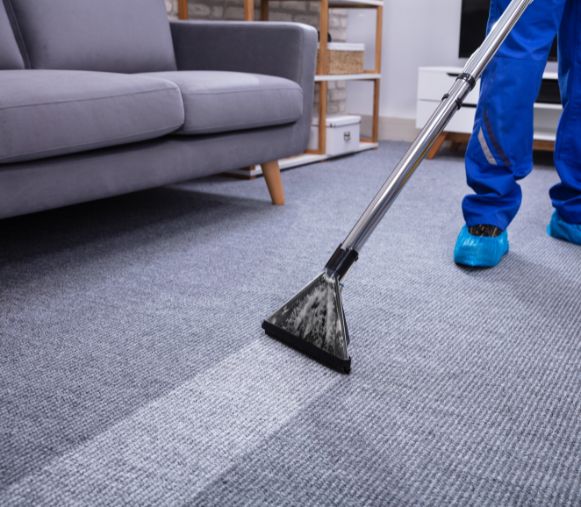
Professional carpet drying is a scientific and highly effective process designed to remove moisture completely. It involves a series of steps carried out with specialised tools that go far beyond anything available in a household setting.
It starts with fast water extraction. Restoration teams use industrial pumps and powerful wet vacuums to remove as much water as possible. This initial extraction is crucial. It halts the spread of moisture and reduces the amount of drying time needed for the underlying layers.
Next, the carpet may be lifted to allow access to the underlay and subfloor. Technicians check the level of saturation and remove any unsalvageable materials such as overly damaged underlay or contaminated padding. This allows for complete airflow and drying coverage.
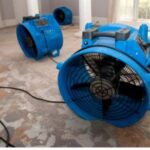
High-velocity air movers are then installed to circulate dry air across the surface and underneath the carpet. These are paired with commercial-grade dehumidifiers that remove moisture from the air. By maintaining low humidity levels, the drying process is accelerated, and the risk of secondary damage is reduced.
Advanced techniques such as drying mats or injectidry systems are sometimes used for hardwood flooring or subfloor areas beneath the carpet. These systems apply focused airflow to draw out moisture trapped in dense materials.
Throughout the process, technicians use thermal cameras and moisture meters to track progress. These tools help ensure that no hidden wet areas are overlooked, and that drying is completed to the correct industry standard. This step also produces documented proof of the drying process, which is helpful for insurance claims.
Finally, once the area is dry, carpets are cleaned, deodorised and re-installed. If needed, an anti-microbial treatment can be applied to ensure long-term protection against mould and bacteria.
Emergency Carpet Drying Versus DIY Methods
When disaster strikes, many homeowners attempt to dry their carpets themselves. They may use towels, fans or rent a small dehumidifier. While these efforts are understandable, they often fall short of what is required to prevent lasting damage.
The most common mistake is assuming that if the carpet feels dry on top, the job is done. In reality, moisture often seeps deep into the underlay and floorboards, where it lingers out of sight. DIY methods rarely have the strength or reach to extract water from these deeper layers.
Moreover, without proper moisture detection tools, it is difficult to know whether the carpet is truly dry. Missed moisture can lead to future problems, including mould outbreaks and unpleasant odours that emerge weeks later.
Professional carpet drying services have the training and equipment to identify and address all layers of water damage. They also follow safety standards, especially when dealing with contaminated water. Grey water from washing machines or black water from sewage backups must be handled with protective gear and anti-bacterial treatments. Improper handling can expose occupants to serious health risks.
In short, while DIY methods may work for small spills or minor leaks, any significant water exposure should be treated by professionals. Their speed and precision not only save your flooring but also reduce the risk of long-term damage and health issues.
Why Real Estate Agents and Landlords Rely on Carpet Drying Services
For real estate professionals, time is critical. A vacant property with wet carpet cannot be shown to prospective buyers or tenants. The smell alone may turn people away, while visible damage may lead to lower offers or rental disputes.
Carpet drying services help property managers and sales agents restore properties quickly. By drying and deodorising the carpet, they eliminate concerns about mould and odour, allowing inspections or leasing to resume without delay.
Landlords also benefit from reduced downtime and repair costs. Instead of replacing carpet between tenants, professional drying can restore it to a usable condition. This is particularly useful in cases where insurance coverage is limited or unavailable.
In the case of sales, documentation of carpet drying and mould prevention can be shared with prospective buyers to build trust and transparency. A moisture report showing normal readings across all affected areas can offer peace of mind and support the asking price.
Professional services like those accessed through The Mould Network understand the demands of the property market. They act fast, communicate clearly and produce verifiable results. This makes them an asset not just for homeowners but for anyone managing residential or investment properties.
The Mould Network’s Role in Rapid Carpet Drying
The Mould Network connects homeowners and professionals with qualified service providers across Australia. They do not perform the carpet drying themselves. Instead, they act as a trusted intermediary, matching your situation with a local expert who has the right equipment and availability.
This concierge-style model offers several advantages. First, it removes the burden of researching or calling around when time is critical. Second, it ensures that only pre-screened, experienced providers are sent to your property. Third, it delivers consistent service standards by drawing on a network of tradespeople who specialise in water damage and mould prevention.
Services offered through The Mould Network include:
- Emergency water extraction
- Carpet and underlay drying
- Moisture testing and mapping
- Structural drying
- Mould remediation if needed
- Insurance support and documentation
Their coverage includes major metro areas like Sydney, Melbourne, Brisbane, Gold Coast, Perth, Adelaide and Hobart, as well as many regional centres. This wide footprint means help is available when you need it, regardless of location.
In situations where every hour counts, The Mould Network provides a fast, reliable path to professional help. You submit a brief online form, upload photos if possible, and their team handles the rest.
Whether you are dealing with flood water, a burst pipe or a leaking appliance, they will help you respond quickly and recover with confidence.
1. Can water-damaged carpets be saved?
Yes. With rapid professional carpet drying, carpets and underlay can often be restored, preventing hidden mould growth and avoiding costly full replacements.
2. What does professional carpet drying involve?
It includes industrial water extraction, lifting carpets to access subfloors, high-velocity air movers, dehumidifiers, moisture mapping, and documentation for insurance claims. Anti-microbial treatments may also be applied for mould prevention.
3. Why should I avoid DIY carpet drying?
DIY methods rarely reach deep moisture in underlay or floorboards, risking mould, odours, and structural damage. Professionals use specialised equipment and techniques to ensure thorough drying and safety.
4. Who benefits from professional carpet drying services?
Homeowners, landlords, and real estate agents benefit by reducing downtime, protecting property value, preventing mould, and ensuring properties are safe and ready for occupancy or sale.
5. How does The Mould Network help with carpet drying?
The Mould Network connects clients with pre-verified local professionals, providing emergency water extraction, carpet and subfloor drying, moisture testing, structural drying, mould remediation, and insurance support across Australia.
Call Now to Protect Your Carpet and Prevent Mould
You do not have to live with wet carpet or face the cost of full replacement. If you act quickly, professional drying services can restore your flooring, eliminate hidden moisture and protect your home from mould and bacteria.
The Mould Network is ready to connect you with expert help anywhere in Australia. From initial inspection to final drying and deodorising, their trusted network delivers fast results with minimal disruption.
Call The Mould Network now on 1300 522 183 or visit https://mouldnetwork.com.au to get started.
Save your carpet. Protect your property. Book now.