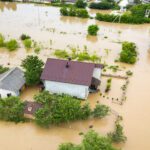
Floods don’t care about your schedule. They strike at the worst possible moments: during storms, holidays, or while you’re asleep. When disaster hits at 2AM, knowing that help is only a call away can be the difference between chaos and calm. That’s where The Mould Network comes in. Our emergency flood services connect you instantly with local, pre-vetted professionals who are trained to handle urgent situations any time, day or night.
Why Choose The Mould Network at 2AM?
A Real-Time Concierge Service for Flood Disasters
In the middle of a home flood emergency, you don’t have time to scroll through endless listings or wait for callbacks. The Mould Network eliminates the guesswork by instantly matching you with trusted flood restoration professionals in your area. Whether you’re in Sydney, Brisbane, Perth or a rural suburb, our network is ready.

Our streamlined online booking system means you can:
- Specify your emergency (e.g. “water coming through ceiling” or “flooded living room”)
- Upload photos or details
- Get matched fast with available specialists
You’ll avoid delays, confusion, and unverified operators. We simplify the process even in the middle of the night.
24/7 Means 24/7, Not Just a Slogan
Many companies claim to offer 24/7 flood response, but The Mould Network backs it up with action. We respond during:
- Public holidays
- Weekends
- Overnight emergencies
- Major storm events
When other providers might still be “opening soon”, our partners are already in the van, heading to your home.
The First Hour: What Happens When Help Arrives
Emergency Water Extraction Comes First
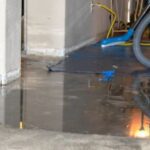
Time is everything. Once onsite, your technician’s first priority is to stop the water source and remove excess water using industrial-grade extraction equipment. This may include:
- Shutting off burst pipes
- Tarping a leaking roof
- Pumping out water using wet vacs and submersibles
Every minute saved reduces the risk of severe structural damage, carpet ruin, and fast-growing mould.
Moisture Mapping & Damage Assessment
Professionals then assess the affected areas using:
- Thermal imaging to detect hidden moisture
- Moisture meters for precise readings
- Visual checks for signs of contamination (e.g. grey or black water)
This helps classify the damage and ensures the right equipment and safety precautions are used. It also provides documentation, which is critical for insurance claims.
How Technicians Prevent Long-Term Damage
Structural Drying Setup
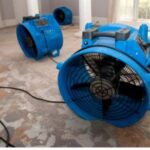
Once the standing water is gone, they set up high-powered air movers and dehumidifiers to draw out remaining moisture from:
- Walls, floors and ceilings
- Subfloors and insulation
- Framing and plaster
This drying process often runs continuously over 2 to 5 days, with daily checks to track progress. You’ll get peace of mind knowing the structure is truly dry, not just surface-level dry.
Antimicrobial Treatments & Mould Prevention
To prevent mould before it starts, affected surfaces are treated with antimicrobial solutions. If contaminated items are discovered, such as soaked insulation or blackened drywall, technicians may recommend safe removal and disposal.
This step also eliminates musty odours and creates a hygienic baseline for future repair work.
What Happens After the Emergency Team Leaves?
Flood recovery doesn’t end once the fans start running. In the days following the emergency visit, your assigned technician may:
- Return for follow-up moisture checks
- Replace removed materials like insulation or skirting
- Coordinate with mould remediation or rebuilding crews
You’ll also receive:
- A full report showing drying progress
- Photos and readings for your insurance provider
- Clear guidance on any next steps required to restore the space
This follow-through is crucial. Incomplete drying or poor documentation can void insurance claims or lead to hidden moisture problems later.
Health Risks of Delayed Flood Response
Acting fast is more than a property concern. It’s a health issue.
Here’s what can happen when action is delayed by even 24 hours:
In Australia, floods are the second deadliest natural hazard, accounting for around 20% of natural hazard-related deaths from 1900 to 2022.
- Mould growth: Can start within 24 to 48 hours, even if water is clear
- Contamination spread: Especially with grey or black water (from sewage or storms)
- Allergens and airborne irritants: Moisture-rich environments encourage microbial growth that worsens asthma and allergies
- Structural risks: Waterlogged timbers, sagging ceilings, or shorted electricals can create physical hazards
This is why The Mould Network prioritises fast response over everything else — because your family’s safety depends on it.
How Emergency Providers Differ from Standard Contractors
Most tradies won’t answer your call after hours. Even fewer will show up ready to act. Emergency flood providers:
- Operate around the clock with dispatch-ready teams
- Have mobile gear for immediate extraction and drying
- Are trained for high-stress, high-risk environments
- Understand insurance documentation needs
Waiting for a next-day plumber or standard handyman can mean tens of thousands in avoidable damage, plus a harder recovery process.
Questions Families Ask at 2AM
Q1: How fast can someone get to my house?
We aim to connect you with a technician within minutes. Most responders are onsite within 1 to 4 hours depending on location and traffic.
Q2: Will they stop the flooding source?
Yes. Emergency teams are trained to shut off water, secure the site, and start extraction immediately.
Q3: Is it safe for my kids or pets?
Technicians follow safety-first protocols, including power isolation and air quality checks. You may be asked to keep kids and pets away from affected zones temporarily.
Q4: What should I do before they arrive?
If safe, turn off the power to flooded areas, remove valuables, and avoid wading through deep or contaminated water.
Q5: Will insurance cover this?
Most policies do cover sudden water damage. Our partners assist with documentation and even communicate directly with insurers to streamline your claim.
Q6: Do I need to leave the house?
Not always. If the damage is limited to one room or area, you may be able to stay. For severe flooding or black water events, temporary relocation may be advised.
Q7: Can you save my carpet or flooring?
Often, yes. With fast water extraction and drying mats, many carpets, hardwood floors, and underlays can be salvaged if mould hasn’t yet taken hold.
Flooded? Your Safety Can’t Wait
Water damage doesn’t wait, and neither should you. If you’re facing a flooding emergency at night, trust the network that never sleeps. The Mould Network gives you instant access to flood recovery experts who act fast and handle the mess, the danger, and the paperwork.
Do not wait — secure emergency flood help now. Call The Mould Network on 1300 522 183 or visit https://mouldnetwork.com.au to request immediate support.