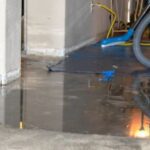
Emergency flood services protect your home and health. These 9 expert tips will help you respond quickly, minimise damage and avoid costly repairs.
When Every Minute Counts, These Flood Tips Could Save Your Home
Flooding isn’t just inconvenient. It can destroy flooring, weaken structures, damage insulation and trigger dangerous mould growth in as little as 24 to 48 hours. Australians face these events frequently, whether from broken pipes, blocked drains, torrential rain or roof failures. According to the Australian Institute for Disaster Resilience, the economic cost of natural hazards (including floods) in Australia averaged $18.2 billion per year between 2006-16, and is projected to rise substantially.
In those chaotic moments, what you do first matters. That’s why The Mould Network has gathered essential insights from professionals who deal with water disasters every day. These nine flood response tips are designed to help you take swift, informed action that protects your property and your health.

1. Shut Off the Source Fast
If a pipe or appliance is causing the flood, turn off the water at the mains immediately. The shut-off valve is typically near your front boundary or outside tap. If your roof is leaking or floodwater is entering through doors, try to safely block openings and move belongings off the floor.
Stopping the source quickly reduces how much water saturates the building. Every minute saved here can prevent hours of damage control later.
2. Document Everything for Insurance
Before you clean or move anything, take clear photos and videos of all affected areas. Capture the damage to walls, ceilings, furniture, electronics and flooring. Take notes on when the flood occurred and what actions you took.
This documentation supports your insurance claim and helps professional assessors determine what can be salvaged or replaced.
3. Prioritise Emergency Water Extraction
Water spreads quickly, especially across timber, concrete and carpeted surfaces. Leaving it to soak in will cause irreversible damage to structures and contents.
Emergency flood technicians use high-capacity pumps and vacuums to remove water quickly. This early response protects the building and prevents issues like swelling, cracking, and mould.
4. Check for Hidden Moisture
Even if a room looks dry, it may be hiding moisture behind walls, under floors or inside ceilings. This hidden dampness becomes a breeding ground for mould and structural rot.
Professional flood restorers use thermal imaging cameras and moisture meters to locate these wet areas. Without this step, you risk leaving pockets of moisture that cause bigger problems weeks later.
5. Start Structural Drying Immediately
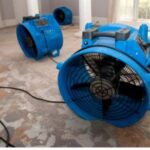
Once the visible water is gone, structural drying must begin. This includes drying timber frames, subfloors, walls and ceiling cavities. Professionals use air movers and industrial dehumidifiers to create airflow and lower humidity.
They also monitor the process daily to ensure all materials return to a safe moisture level. If drying is delayed or incomplete, mould and bacteria can thrive.
6. Sanitize Thoroughly After Flooding
Floodwater can contain sewage, bacteria, pesticides and other contaminants. Even if the water looks clean, it may carry harmful microbes.
All affected areas should be cleaned with antimicrobial products. Materials that can’t be disinfected, such as saturated insulation or carpet underlay, are removed. This step protects both your health and your insurance eligibility.
7. Don’t Forget the Air
After a flood, the air inside your home may contain mould spores, bacteria and lingering odours. These airborne pollutants can cause headaches, coughing or asthma flare-ups, especially in children and elderly residents.
Flood professionals use HEPA air scrubbers and odour neutralisers to restore healthy indoor air. Ignoring this step can leave your home smelling musty and feeling uncomfortable long after the clean-up.
8. Inspect Your HVAC System
If your heating or cooling system has been exposed to floodwater or excess humidity, it must be professionally inspected. Wet ducts can circulate mould spores throughout your home.
Technicians check for moisture inside ducts, disinfect air vents, and replace filters. Restarting a wet HVAC system without proper care can undo your entire clean-up.
9. Book Post-Flood Testing
After everything appears dry and clean, final testing ensures your home is truly safe. Moisture meters confirm all materials are back to normal levels. In some cases, air quality testing can also be conducted to detect hidden mould spores.
These tests offer peace of mind and are often required by insurers to validate the success of remediation work.
What Happens If You Wait Too Long?
Delaying flood response leads to higher costs, serious health risks and more intrusive repairs. Here’s a typical timeline:
- Within 24 hours: carpets, insulation and drywall begin absorbing water
- After 48 hours: mould starts growing on surfaces and inside cavities
- By day 3 to 7: rot, electrical hazards and air contamination become serious risks
- After one week: walls, floors and contents often need full replacement
Acting quickly helps save not just your property, but your sense of safety and comfort.
Final Thoughts
A flooded home is overwhelming, but you don’t have to face it alone. These nine expert tips are proven to reduce damage, speed up insurance claims and protect your family’s health. The right help, at the right time, makes all the difference.
Call The Mould Network on 1300 522 183 or visit https://mouldnetwork.com.au to book immediate assistance with emergency flood services and property recovery.