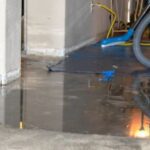
Floods, burst pipes, roof leaks and storm damage often leave more than just visible puddles behind. Moisture seeps deep into the structural materials of a building, hiding in wall cavities, subfloors, ceiling voids and insulation. Left untreated, this hidden moisture becomes a breeding ground for mould and causes long-term damage such as rot, crumbling plaster and even structural instability. That is why structural drying services are critical for both homeowners and property managers seeking fast, cost-effective flood recovery.
The Mould Network provides a nationwide, concierge-style service that connects clients with trusted local professionals who specialise in building drying and flood restoration. Rather than performing the work directly, The Mould Network operates as a broker, simplifying the process of finding a qualified technician. This model is ideal for those needing urgent help without the time to research and compare multiple providers.
With over 12 years of industry experience and coverage across all major Australian cities, The Mould Network has become a go-to resource for structural drying services. Their online booking system is fast, intuitive and designed for emergencies. Within minutes, property owners can request assistance, upload photos of the affected area, and be matched with a local expert who can respond quickly.
The Real Cost of Waiting: Why Structural Drying Must Happen Immediately
When water enters a property, it begins damaging materials almost instantly. While surfaces may appear dry after a few hours, moisture often lingers inside timber framing, behind skirting boards and within insulation. This is where the real damage begins. Delaying structural drying allows this moisture to fester, leading to expensive repairs and serious health risks.
According to the Western Australia Department of Health, mould can begin growing on damp building materials within 24 to 48 hours after water exposure.
In most cases, mould begins to form within 24 to 48 hours of water exposure. If not removed properly, it can trigger respiratory problems, allergic reactions and long-term illnesses, particularly in children and the elderly. More importantly, hidden moisture can weaken floors and walls from within, compromising the building’s structure and safety.
Every hour of delay increases the chance that flooring, plasterboard or cabinetry will need to be demolished. Insurers may also deny claims if the property owner fails to act promptly. For these reasons, drying a building thoroughly and as early as possible is not just smart, it is financially and legally essential.
The Mould Network removes the guesswork from this process. By facilitating rapid access to certified drying professionals, they help homeowners and property managers get ahead of the problem before it becomes a crisis.
What Structural Drying Involves and Why It Works
Structural drying is far more complex than placing a few fans in a wet room. It is a science-led process that involves controlling temperature, airflow and humidity to safely extract water from deep within building materials. The goal is to return the property to a dry, stable state without tearing everything out.
Here is how professional building drying typically works:
Moisture Mapping and Inspection
Before any drying begins, technicians use moisture metres and infrared thermal imaging cameras to detect exactly where water has penetrated. These tools can identify wet spots inside walls, under floors and behind ceilings that would otherwise go unnoticed.
Air Movers and Dehumidifiers
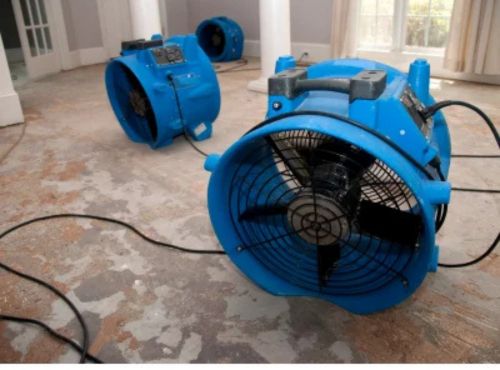
High-powered air movers circulate dry air across wet surfaces to speed up evaporation. At the same time, commercial dehumidifiers pull moisture from the air, preventing it from re-entering the structure. This equipment runs continuously and is adjusted daily based on moisture readings.
Drying Enclosed Spaces
Professionals may remove skirting boards, lift floorboards or drill small access holes to allow airflow into wall cavities and subfloors. These enclosed areas are where mould often forms first and must be addressed thoroughly to avoid long-term problems.
Drying Attics, Subfloors and Crawl Spaces
Often overlooked, these areas are notorious for retaining moisture. Restoration experts use low-profile air movers and targeted duct systems to dry these zones properly, protecting the integrity of the entire structure.
HVAC System Drying
If water has entered the air conditioning or ductwork, specialists will dry, clean and disinfect the system. This prevents mould spores from circulating through the building once the system is turned back on.
Daily Monitoring and Adjustments
Drying is not a one-time event. Moisture levels are recorded every day to track progress. If materials are not drying as expected, the technician will reposition equipment or recommend selective removal. This ensures the process is both effective and efficient.
Moisture Verification and Documentation
Once drying is complete, technicians conduct a final inspection using calibrated tools to verify that materials have reached safe moisture levels. These readings are often required by insurance companies and provide reassurance to property owners.
How Structural Drying Reduces Long-Term Costs
Investing in professional structural drying services may seem expensive at first, but the long-term savings are significant. The most costly mistake property owners make after a flood is failing to dry the structure properly.
Here are a few ways structural drying saves money:
Avoiding Demolition and Rebuilds
If caught early, many materials can be saved. Plasterboard, flooring and cabinetry that would otherwise be torn out and replaced can be salvaged with the right drying approach.
Preventing Mould Remediation Costs
Mould removal is one of the most expensive services in property restoration. By eliminating moisture early, you reduce the chance of mould taking hold and avoid the high cost of treatment, cleaning and air testing.
Reducing Insurance Disputes
Most insurers expect you to mitigate further damage after a leak or flood. By hiring a structural drying expert and documenting the process, you improve your chances of a successful claim and avoid delays or denials.
Minimising Downtime
For landlords and commercial property owners, fast drying means tenants can return sooner. This reduces lost rent and business interruption, which can quickly outweigh the cost of drying services.
Protecting Property Value
A properly dried property is less likely to develop future issues such as damp, odours, rot or pest infestations. This preserves the resale value of the property and ensures long-term livability.
Why Property Managers and Homeowners Should Act Now
Whether you manage multiple properties or own a single home, knowing how to respond to water damage can make or break your flood recovery plan. Structural drying is not a luxury service. It is a fundamental step in protecting the health, value and safety of any building affected by water.
The Mould Network understands the urgency and complexity of these situations. Their platform removes the friction from booking help, offering a fast and simple way to find qualified, insured and experienced technicians who specialise in building drying and flood restoration.
Their network is available in every major city and regional area across Australia, and includes professionals equipped to handle everything from small leaks to full-scale flood recovery.
If your property has experienced water damage, do not wait for mould to appear or timber to buckle. The damage begins long before you can see it.
FAQs
1. Why is structural drying important after water damage?
Structural drying removes hidden moisture from walls, subfloors, ceiling voids, and insulation, preventing mould growth, rot, and long-term structural damage. Acting quickly reduces health risks and repair costs.
2. What does professional structural drying involve?
It involves moisture mapping and inspection, industrial air movers and dehumidifiers, drying enclosed spaces like wall cavities and subfloors, HVAC system drying, daily monitoring, and final verification to ensure materials reach safe moisture levels.
3. How does structural drying save money?
Professional drying avoids demolition and rebuilds, prevents expensive mould remediation, reduces insurance disputes, minimises downtime for commercial properties, and protects property value.
4. Can structural drying services help both homes and commercial buildings?
Yes. Services are essential for residential, commercial, and multi-unit properties. Experts handle everything from small leaks to large-scale flood recovery, ensuring rapid drying and safety compliance.
5. Why choose The Mould Network for structural drying?
The Mould Network connects clients with pre-verified, experienced technicians nationwide. Their concierge service offers fast online booking, 24/7 emergency response, insurance documentation support, and specialised flood and structural drying expertise.
Final Call to Action
If your home or property has been affected by flooding, leaks or moisture intrusion, structural drying is your first and most important step. Acting within 24 to 48 hours can mean the difference between saving and rebuilding.
Call The Mould Network now on 1300 522 183 or visit https://mouldnetwork.com.au to request a quote or book an emergency structural drying service.
Secure your property, save on repairs, and restore peace of mind with help from Australia’s most trusted network of drying professionals.