When every second counts during a water emergency, avoiding a few critical mistakes can save you thousands in repairs. This article outlines the top five errors to avoid during emergency water cleanup and why The Mould Network is the provider of choice for rapid, expert service across Australia.
In a water emergency, doing the wrong thing, even with the best intentions, can cause more harm than good. Whether it is a burst pipe, stormwater intrusion, or an overflowing appliance, taking the wrong steps can lead to higher costs, increased damage, and serious health risks.
When panic sets in, homeowners often rush to fix things without fully understanding the risks. It is common to underestimate how fast water can penetrate a building, or how quickly mould can begin forming. As the damage progresses, so do the costs. Insurance complications, structural repairs, and health hazards from mould exposure can all result from poorly handled water emergencies.
This guide highlights the five most common mistakes Australians make during emergency water cleanup, and how to avoid them with expert help. These lessons can save you money, time, and peace of mind.
1. Waiting Too Long to Act
The Mistake:
Many homeowners assume that minor leaks will resolve themselves or that water on the surface will evaporate naturally. In reality, moisture spreads quickly, seeping into wall cavities, subfloors, and insulation. Every hour of delay increases the risk of secondary damage, including timber warping, drywall collapse and the rapid onset of mould.
The Consequences:
Delays of even 24 hours can make the difference between a simple extraction job and a full-scale remediation project involving demolition, replacement of structural elements and significant time out of the property.
What to Do Instead:
The moment water intrusion is discovered, take immediate action. Turn off the water supply if possible. If it is storm-related, address the entry point temporarily with tarps or plastic sheeting until help arrives.
Then, contact a professional water damage emergency service. The Mould Network can connect you to pre-vetted local specialists within minutes, ensuring that water is removed quickly and effectively to prevent escalation.
2. Using Household Fans Instead of Industrial Drying Equipment
The Mistake:
Many people mistakenly believe that opening windows and setting up household fans will solve the problem. While these actions may assist with ventilation, they are wholly inadequate for deep structural drying.
Why This Fails:
Moisture often hides beneath floorboards, behind plasterboard, or within insulation—areas inaccessible to surface airflow. In humid weather, open windows can make the situation worse by introducing additional moisture from outside.
What Professionals Use:
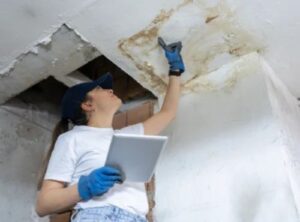
Experts use a range of commercial equipment designed for deep drying. These include:
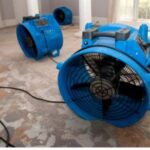
- High-powered air movers to increase the rate of evaporation
- Commercial dehumidifiers to pull moisture from the air and building materials
- Injectidry systems to dry underflooring and behind walls
- Infrared thermal imaging cameras to identify hidden wet spots
This equipment is set up strategically and monitored daily, ensuring comprehensive drying and reducing the risk of mould or structural failure.
3. Not Documenting the Damage for Insurance
The Mistake:
In the rush to clean up, homeowners often overlook documentation. Without photographic evidence and moisture readings, insurers may dispute the scope or cause of the damage.
Why It Matters:
Insurance companies require evidence to verify claims. If you remove damaged carpet, dispose of soggy plasterboard or begin repairs without documentation, it may affect your entitlement. Many policies also require confirmation that mould was not present before the water incident.
What to Do:
Document everything before, during and after cleanup:
- Take wide-angle and close-up photos of all affected areas
- Photograph damaged possessions and flooring
- Record water levels and visible damage
- Retain any receipts related to emergency purchases
The Mould Network’s partners supply detailed reports, including moisture readings, classification of water types (clean, grey or black water), and written summaries of recommended remediation—making your claim smoother and more likely to be approved in full.
4. Attempting DIY Mould Cleanup Without Containment
The Mistake:
DIY mould cleaning often involves spraying bleach and scrubbing visible patches. Not only is this ineffective, it can be dangerous. Without proper containment, mould spores are disturbed and released into the air, where they travel and settle elsewhere.
The Risk:
Inhaling mould spores can trigger respiratory conditions, particularly in children, the elderly or those with asthma. Black mould species can produce mycotoxins, which may lead to chronic illness or long-term inflammatory conditions. The longer these spores remain airborne, the higher the risk of cross-contamination and health impacts.
The Professional Approach:
Certified mould remediation professionals:
- Seal off contaminated areas using plastic sheeting and tape
- Use negative air machines with HEPA filters to extract airborne spores
- Conduct air quality testing before and after remediation
- Apply anti-microbial treatments and perform HEPA vacuuming
- Use moisture meters to confirm that the affected area is completely dry
The Mould Network ensures that only trained and equipped experts with experience in containment and clearance testing are sent to handle these jobs.
5. Ignoring Moisture in Hidden Spaces
The Mistake:
It may look dry on the surface, but that does not mean the job is done. Many water-damaged homes pass a visual inspection but still harbour serious issues in areas like:
- Behind walls
- Under carpets and flooring
- Inside cabinetry or furniture
- In ceiling cavities
- Beneath insulation
The Hidden Danger:
Moisture in hidden areas often leads to long-term structural damage, foul odours and recurring mould outbreaks. Left unchecked, this can reduce the property’s value and pose serious health risks.
It is estimated that about 25% of Australian homes experience mould. Also, around 32% of dwellings experience condensation, and of those, over three-quarters (≈78.1%) go on to experience mould.
How Professionals Address It:
Advanced moisture mapping identifies hidden damp areas. Thermal imaging detects cooler spots where water has collected. Moisture metres confirm whether materials are back to safe levels (usually under 15 percent for wood). These steps are standard in professional restoration but are rarely performed in DIY attempts.
Additional Mistakes Worth Avoiding
1. Using the Wrong Cleaners
Household products like vinegar or bleach may remove visible mould but do not neutralise spores or reach porous surfaces. Professional-grade anti-microbial agents are designed for long-term suppression of microbial regrowth.
2. Overlooking HVAC Systems
If your HVAC ducts or systems were exposed to water, they must be inspected and possibly cleaned. Wet ducts can harbour mould and circulate spores through your home for months.
3. Assuming Insurance Covers Everything
Many homeowners assume all water damage is covered. In reality, most insurers exclude gradual leaks, groundwater seepage and unreported mould. Always check your policy and act promptly.
Why Mistake Prevention Matters
Emergency water cleanup is about more than removing water. It is about protecting health, maintaining property value, and ensuring your home remains safe and liveable. Mistakes made in the first few hours can result in weeks or even months of inconvenience, not to mention unnecessary expense.
By acting quickly and partnering with qualified professionals, you can prevent:
- Mould-related illnesses
- Repeated water intrusion issues
- Insurance claim delays or denials
- Costly structural repairs
Final Call to Action
Do not let guesswork turn a simple water incident into a costly disaster.
Call The Mould Network on 1300 522 183 or visit https://mouldnetwork.com.au to book trusted, Australia-wide emergency water cleanup and professional mould remediation.